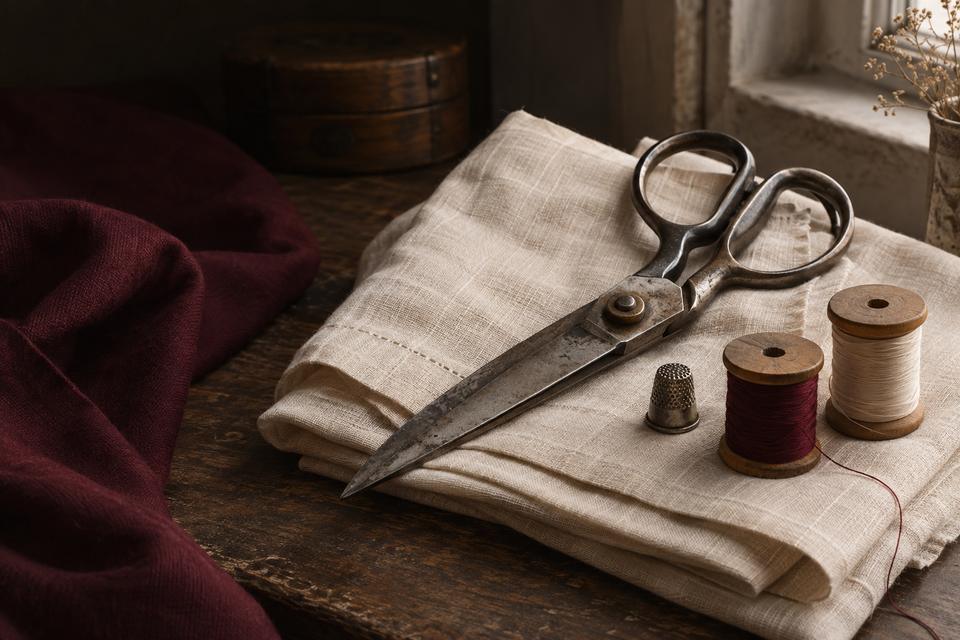
A trade learned from my mother
My mother was a dressmaker in Iran, where I was born. She taught me the trade. She passed on the skills and, with them, a standard to live up to: precision and the care owed to a garment someone entrusts to you.
Skills learned this way cannot be captured in a notebook. They are practised and refined by hand, from one piece to the next. That is how sewing became my profession, and why it has stayed with me.
The standards of a fashion house
In Belgium, I worked at a fashion house, where the precision of my work was appreciated. Working for a fashion house means working with its designs and serving its clientele, and finishing each piece as it is meant to be worn.
I loved my profession. Yet I held on to a wish: to have my own workshop one day, a place where people could bring their clothes and speak to me directly.
A workshop in the Bascule neighbourhood
I wanted somewhere to welcome people, listen to what they needed and put my skills to use for them. When the opportunity came, I took it.
Today, that place is Couture Bascule, on Rue Vanderkindere in Uccle’s Bascule shopping neighbourhood. The workshop has served its customers since 2001. People come for a hem, a jacket adjustment, a coat to restyle, curtains to make or a prototype to assemble.
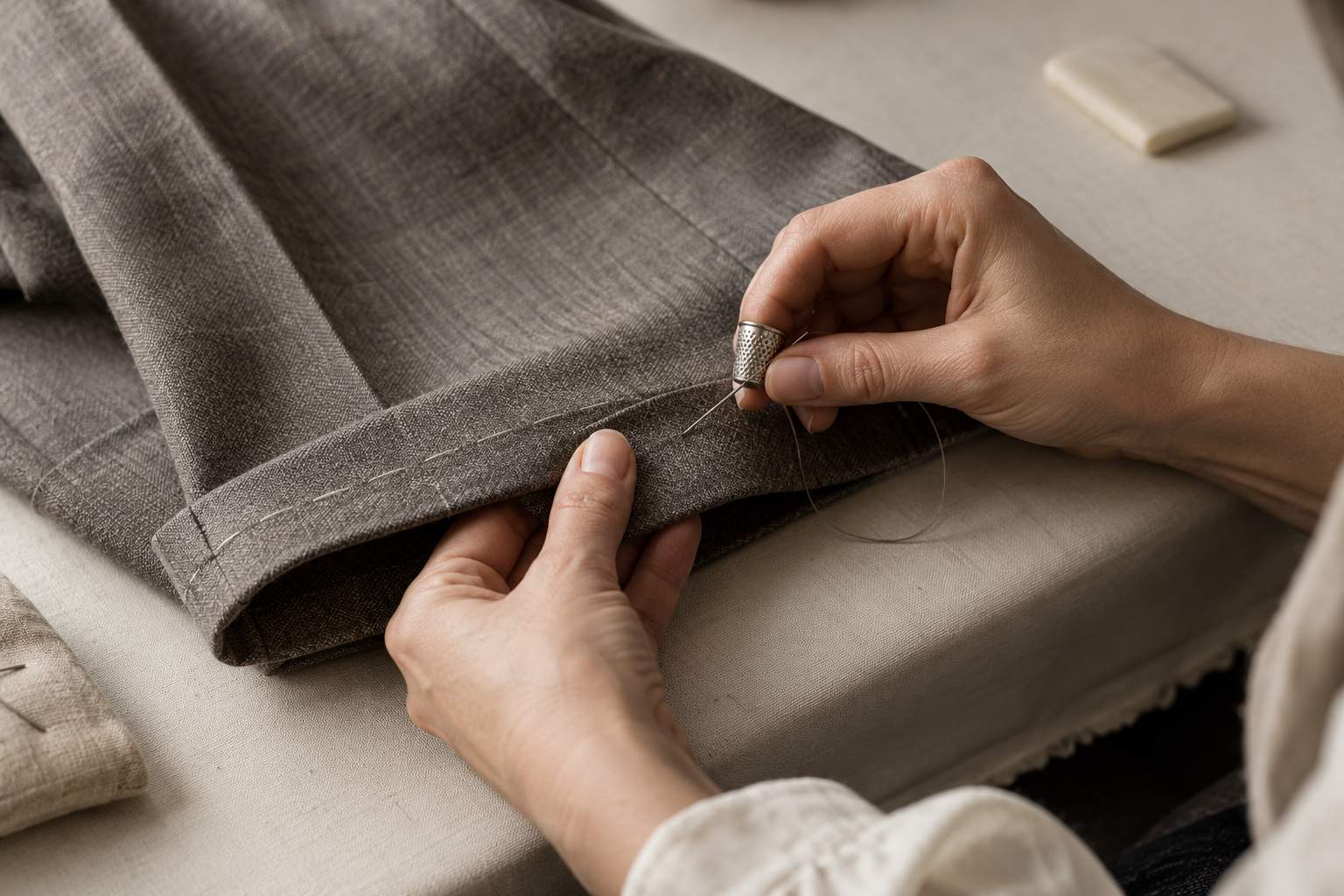
My way of working
My method is simple. Before touching a piece, I look at it: its fabric, construction, seam allowances and the way it has been worn. Then I listen, because a good alteration responds to how you wear a garment as much as to the garment itself.
Only then do we agree on the work, its price and the time it needs. What my mother passed on to me lies in that care: for the piece and for the person who wears it.
FarahCouture Bascule, Uccle